By Dr. Dan Bajus, PT, DPT, Founder, Limitless Physical Therapy Specialists
Pain on the outer point of your hip, the part that aches when you lie on that side, climb stairs, or stand up after sitting, gets labeled “hip bursitis” by almost everyone. Here is something most people are never told: in the majority of cases, it is not really the bursa causing the trouble. Knowing what it actually is changes what fixes it, and the fix is usually straightforward physical therapy, not a needle or surgery.
What is hip bursitis, and is that really what you have?
Trochanteric bursitis is the clinical name for the common form: pain over the bony point on the outside of the hip, the greater trochanter, that flares when you lie on that side or climb stairs.
Hip bursitis traditionally means inflammation of the bursa, a small fluid-filled cushion on the outside of the hip. But research now shows that most lateral hip pain is actually irritation of the gluteal tendons (the gluteus medius and minimus) where they attach to the bony point of the hip. Clinicians group it under the name greater trochanteric pain syndrome (StatPearls).
The distinction matters. If you treat it as a bursa to be calmed down with rest, the pain keeps coming back, because the real issue is a tendon that has lost its capacity to handle load. Treat it as a tendon problem, and you can actually resolve it.
What it feels like
- A deep ache or sharp pain on the bony outer point of the hip.
- Worse when lying on that side, so it often interrupts sleep.
- Flares with stairs, getting up from a low chair, standing on one leg, or walking longer distances.
- Sometimes spreads down the outside of the thigh.
Why it happens
Gluteal tendons get irritated when the load on them outpaces what they are ready for, or when they are repeatedly compressed. Common drivers we see:
- Compression from everyday positions. Standing with your weight hanging on one hip, crossing your legs, or sitting with knees together all squeeze the tendon against the bone.
- A change in activity. A new walking routine, more hills, a long trip, or returning to exercise after a break can spike the load.
- Weakness in the hip and glutes. When the hip stabilizers are weak, the tendon takes more strain with every step.
- Who it favors. It is especially common in adults between 40 and 60, and more often in women, though active people of any age can develop it.
What actually helps (and what to be careful with)
This is where the right information changes everything. In a well-known clinical trial, people with gluteal tendinopathy who did a program of exercise plus education on managing load had better results at both 8 weeks and one year than people who got a cortisone injection or who simply waited it out (LEAP trial).
In other words, the cortisone shot many people ask for tends to underperform a good physical therapy plan over time. What that plan does:
- Reduces the compression that keeps the tendon irritated, by changing a few daily positions.
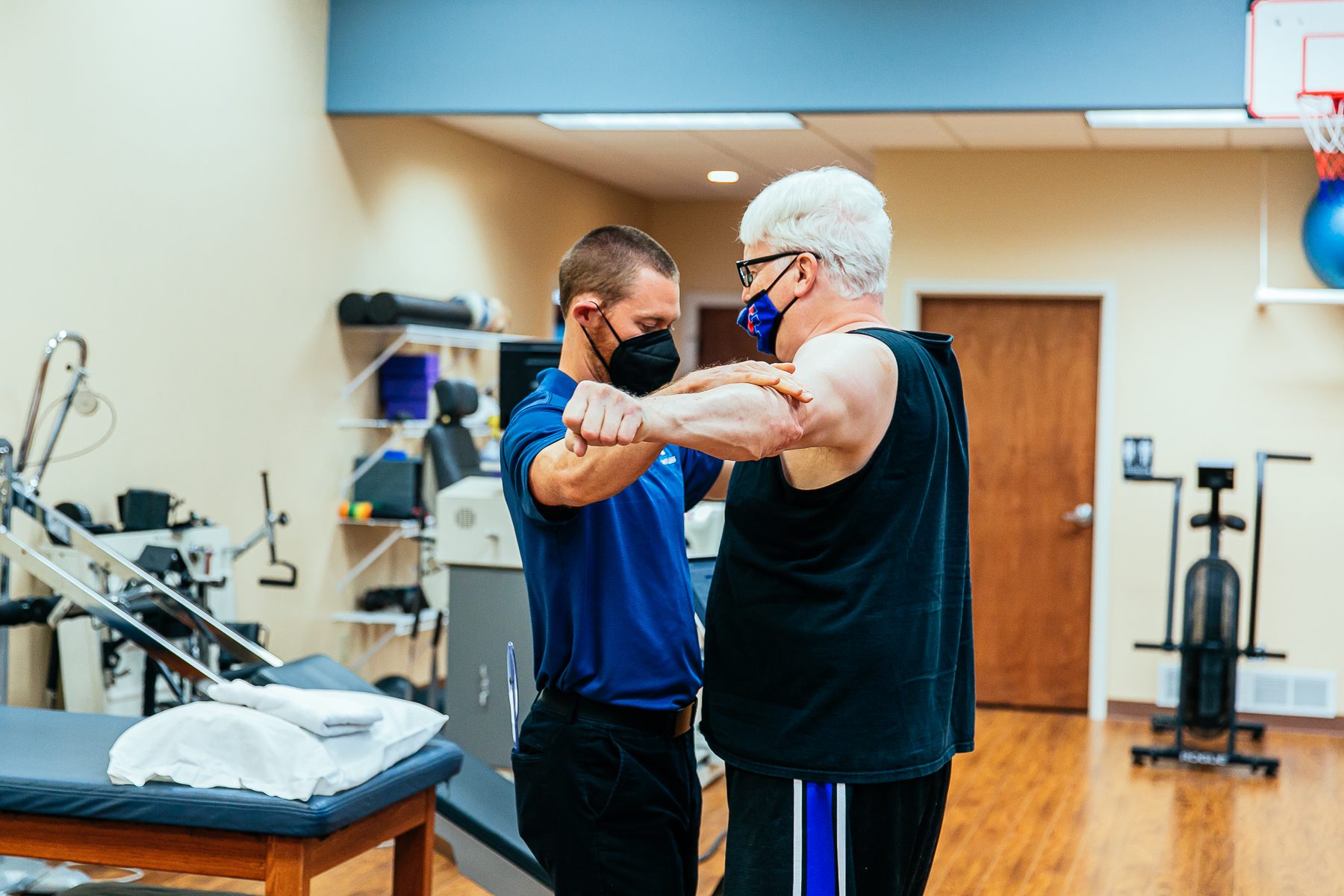
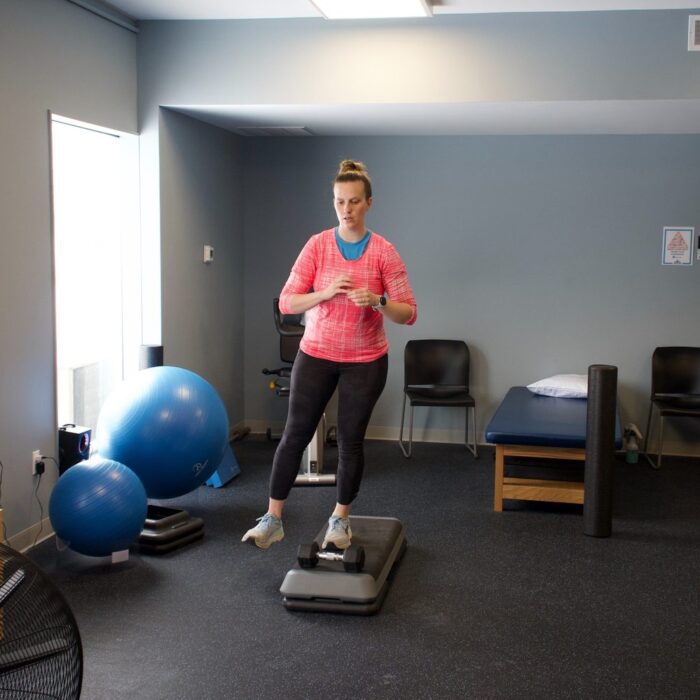
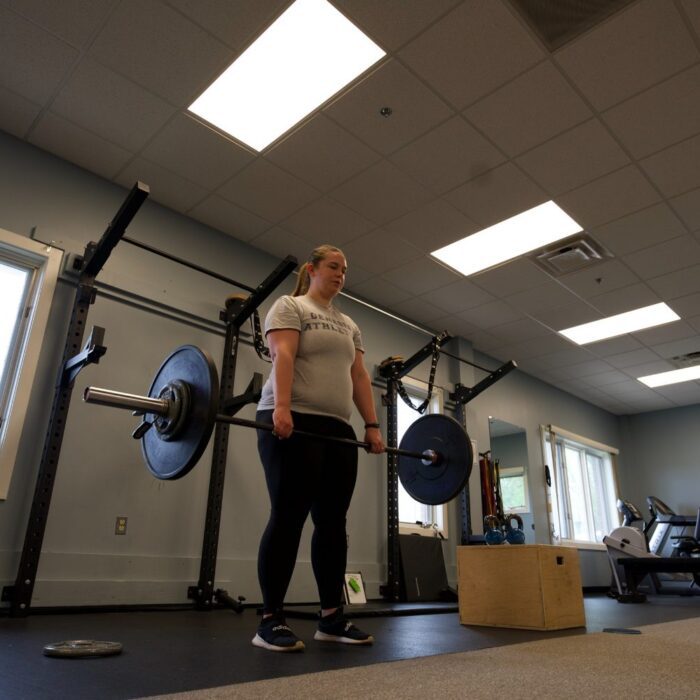
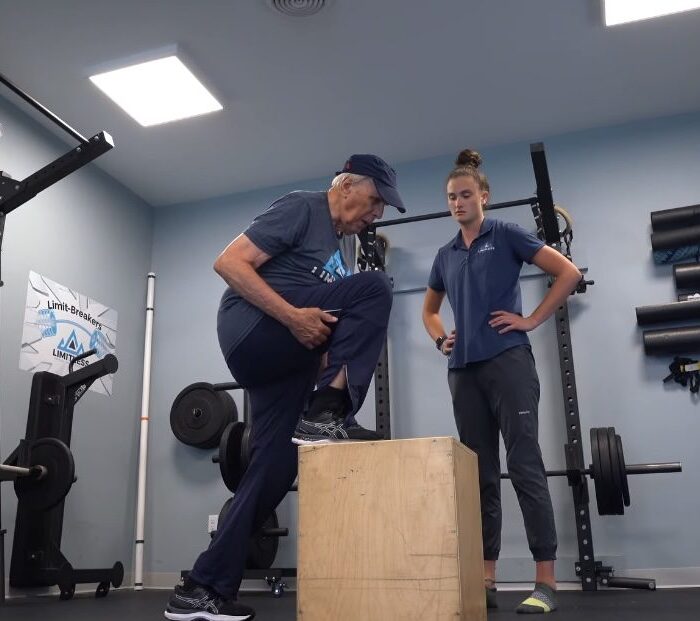
- Rebuilds tendon strength with progressive, well-dosed exercise so the hip can handle standing, stairs, and walking again.
- Restores hip and glute control so the tendon is not overloaded on every step.
- Teaches you how to manage load, which research suggests may matter as much as the exercises themselves.
Positions to ease up on while it settles: lying on the painful side, crossing your legs, and standing with all your weight dropped onto one hip. Small changes here often bring noticeable relief within days.
Simple starting points
Treat these as the general direction, not a personalized program. Early on, we often focus on gentle isometric holds for the glutes (which can calm tendon pain), then progress to controlled hip-strengthening once symptoms settle. We pair that with simple position changes, a pillow between the knees at night, and avoiding the compressive postures above. The exact exercises and how fast to progress them depend on your hip, which is what an evaluation sorts out.
When to see a physical therapist
If your outer hip pain has lasted more than a few weeks, is disrupting your sleep, or is limiting walking and stairs, a physical therapy evaluation is the efficient next step. The sooner you address the load and strength side, the sooner it resolves, and the less likely it is to keep returning.
You do not need a referral to begin. New York State allows direct access to physical therapy, and most major insurance plans, Medicare, and Worker’s Comp are accepted at Limitless.
How Limitless approaches lateral hip pain
We start by confirming what is actually driving your pain, then build a plan around load management and progressive strength rather than rest and waiting. Your program is matched to your goals, whether that is sleeping through the night, walking the neighborhood, or getting back to the gym. You can read more about our orthopedic physical therapy in Rochester, and if you are navigating this later in life, our work with older adults focuses on keeping you strong and steady.
The Limitless Life App keeps your exercises and education with you between visits, and we treat patients across our Victor, Brighton, Greece, and Cortland locations.
Frequently asked questions
Is hip bursitis the same as gluteal tendinopathy?
Often they are treated as the same problem. The lateral hip pain people call hip bursitis is, in most cases, irritation of the gluteal tendons (greater trochanteric pain syndrome). It matters because the fix is the same either way: managing load and rebuilding tendon strength, not just calming a bursa.
Should I rest a sore hip or keep moving?
Keep moving, with the right adjustments. Complete rest tends to weaken the tendon further. The goal is to reduce the positions that compress it while gradually loading it so it gets stronger. A physical therapist sets that balance for you.
Do I need a cortisone shot for hip bursitis?
Usually not as a first step. A large clinical trial found that exercise plus education on load management produced better results than a cortisone injection at both 8 weeks and one year. Injections can have a place, but they are not the long-term fix for most people.
Why does it hurt more at night?
Lying on the painful side compresses the gluteal tendons, and even lying on the other side lets the top leg fall across the body into a position that squeezes them. A pillow between the knees and avoiding sleeping on the sore side usually helps right away.
Ready to get the side of your hip back to normal?
If outer hip pain is interrupting your sleep or your day, you do not have to live with it. Our team will pinpoint what is driving it and build a plan to fix it.
Ready to live a life without limits? Schedule a consultation at the Limitless clinic nearest you. No referral needed in New York, and most insurance, Medicare, and Worker’s Comp are accepted.
Dr. Dan Bajus, PT, DPT is the founder of Limitless Physical Therapy Specialists. With 15+ years of clinical experience, he and his team have treated more than 5,000 patients and athletes across their Victor, Brighton, Greece, and Cortland clinics, helping people move, feel, and live without limits.