By Dr. Dan Bajus, PT, DPT, Founder, Limitless Physical Therapy Specialists
You rolled your ankle, it swelled up, and a few days of rest took the edge off. Most people stop there. That is the mistake we see most often, because a sprained ankle that "feels fine" is not the same as an ankle that has fully recovered. The pain fades long before the strength and balance come back, and that gap is why so many people sprain the same ankle again and again.
Here is how to rehab a sprained ankle properly, and how to make sure it is the last one.
How do you rehab a sprained ankle?
Rehabbing a sprained ankle means progressing through a few stages: calm the early swelling while keeping the joint gently moving, restore full motion, rebuild strength, and then retrain balance and control so the ankle can react when you step on something uneven. The research is clear that early, protected movement and weight-bearing, supported by a brace or tape, recovers better than resting it in a boot (JOSPT, 2021). Skipping the balance stage at the end is the single most common reason ankles keep getting re-injured.
What actually happens when you sprain your ankle
A sprain means the ligaments on the outside of the ankle were stretched or torn when the foot rolled inward. Beyond the ligament itself, the sprain scrambles the ankle's position sense, the feedback system that tells your brain where your foot is and lets you correct before you roll it. That feedback system does not repair on its own just because the swelling went down. It has to be retrained, and that is where rehab earns its keep.
Why rest alone is not enough
Rest helps the painful first few days. But if rest is the whole plan, you are left with an ankle that is weaker, stiffer, and less coordinated than before, while it looks and feels normal day to day. Then you step off a curb wrong, and you are back where you started. Studies show that people who skip a balance and proprioception program after a sprain face a higher risk of spraining it again (JOSPT, 2021).
The stages of a full recovery
A good rehab plan moves through these, at a pace your ankle sets:
- Protect and move (early). Manage swelling, use a brace or tape for support, and start gentle, pain-free movement and weight-bearing rather than full rest.
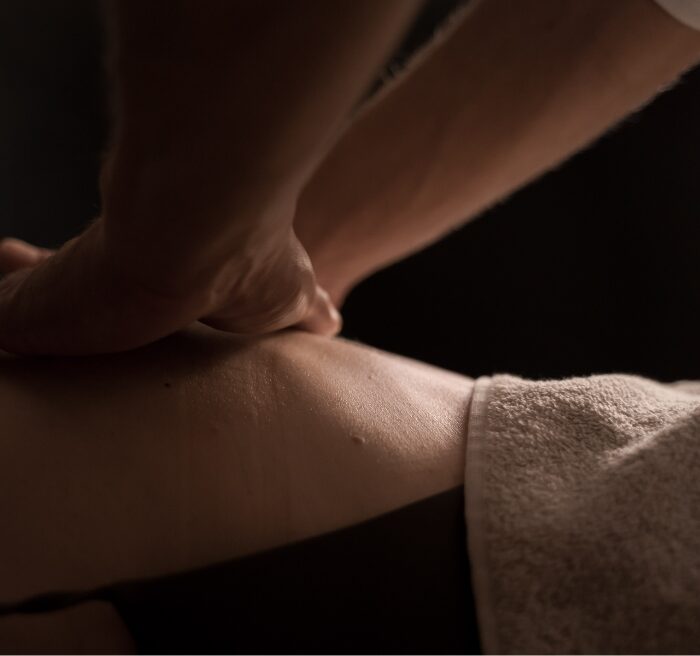
- Restore motion. Get full, comfortable range back, including the ability to bring the knee over the toes, which walking and stairs depend on. Hands-on techniques can help here.
- Rebuild strength. Strengthen the muscles that support and control the ankle, especially the ones on the outside that resist rolling.
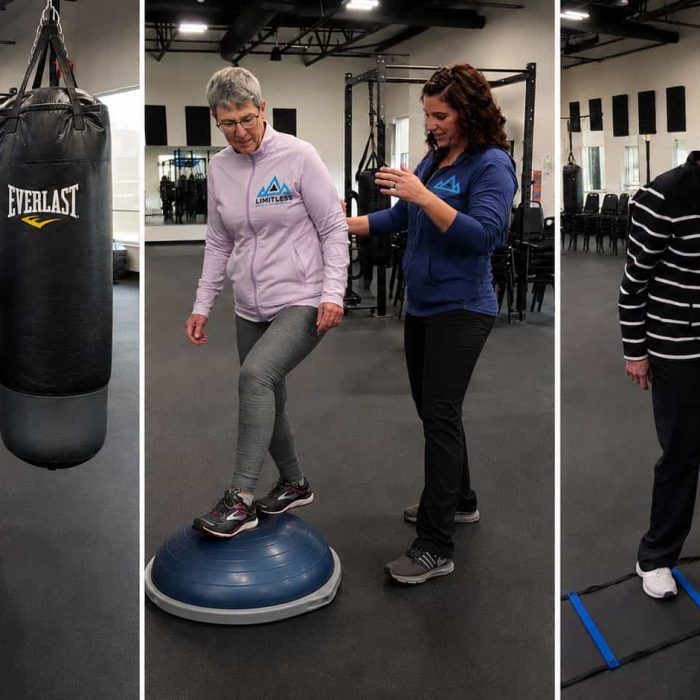
- Retrain balance and control. This is the stage that prevents the next sprain. Single-leg balance work, then progressing to unstable surfaces and sport-specific movement, rewires that position sense.
- Return to activity. Build back to running, cutting, and your sport with confidence, not just hope.
Simple starting points
Treat these as the general direction, not a personalized plan. Early on we often use gentle ankle motion (tracing the alphabet with the foot), calf and ankle mobility, and short bouts of protected weight-bearing. As it settles, we add resisted strengthening and then balance work, starting with standing on one leg and progressing from there. The exact progression depends on how the sprain presents, which an evaluation sorts out so you load it enough to get stronger without setting recovery back.
When to see a physical therapist
It is worth getting evaluated if you cannot bear weight comfortably, the swelling and pain are not improving after the first several days, this is not your first sprain on that ankle, or you want to return to sport with confidence. A physical therapist makes sure you actually complete the strength and balance stages most people skip, which is what keeps it from happening again.
You do not need a referral to begin. New York State allows direct access to physical therapy, and most major insurance plans, Medicare, and Worker's Comp are accepted at Limitless.
How Limitless approaches ankle sprains
We rehab the whole ankle, not just the pain: motion, strength, and the balance and control that protect it going forward. Your plan is built around your goals, whether that is walking without thinking about it or getting back on the field. You can read more about our orthopedic physical therapy in Rochester, and if you are an athlete, our work with recreational and competitive athletes is built around a confident return to sport.
The Limitless Life App keeps your exercises and progress with you between visits, and we treat patients across our Victor, Brighton, Greece, and Cortland locations.
Frequently asked questions
How long does a sprained ankle take to heal?
Mild sprains often settle within two to four weeks, and more significant ones take longer. But "feeling better" and "fully recovered" are not the same thing. Strength and balance can lag for months after the pain is gone, which is exactly why guided rehab matters.
Should I rest a sprained ankle or move it?
Move it, within comfort, early. Current guidelines favor early protected weight-bearing and gentle movement with a brace or tape for support, rather than long periods of complete rest. Staying off it entirely tends to slow recovery.
Why do I keep spraining the same ankle?
Because the first sprain usually leaves behind strength and balance deficits that were never addressed. Without proprioception and balance training, the odds of rolling it again go up. That training is the part most people skip, and it is the part that prevents the next one.
Do I need an X-ray for a sprained ankle?
Not always. Most ankle sprains do not involve a fracture. If you cannot put any weight on it or have tenderness over specific bony spots, get it checked to rule out a break. Otherwise, rehab is the priority.
Ready to make this your last sprained ankle?
If your ankle still is not right, or you keep rolling the same one, you do not have to accept it. Our team will rebuild the strength and balance that protect it for good.
Ready to live a life without limits? Schedule a consultation at the Limitless clinic nearest you. No referral needed in New York, and most insurance, Medicare, and Worker's Comp are accepted.
Dr. Dan Bajus, PT, DPT is the founder of Limitless Physical Therapy Specialists. With 15+ years of clinical experience, he and his team have treated more than 5,000 patients and athletes across their Victor, Brighton, Greece, and Cortland clinics, helping people move, feel, and live without limits.