
You wake up one morning and something feels wrong. Maybe you bent down to pick up a laundry basket, or you sneezed at the wrong angle. Now there's a dull ache in your lower back that shoots down your leg every time you move. An MRI later, you're staring at a report that says "bulging disc" and wondering if your active life is over.
Here's what that report probably didn't tell you: physical therapy for bulging disc injuries helps 70 to 90 percent of patients recover without ever needing surgery. That statistic surprises most people who walk into our clinics at Limitless Physical Therapy Specialists, because the fear of surgery often overshadows the reality that your body has remarkable healing capabilities when given the right support.
Three million Americans deal with disc problems every year, according to research published in the Journal of Orthopaedic Science. Most of them assume they're facing two options: live with chronic pain or go under the knife. But the third option, physical therapy, outperforms both of those in most cases. And we're going to show you exactly why.
What Happens to Your Spine When a Disc Bulges
Your spine isn't one solid bone. It's a stack of 33 vertebrae separated by rubbery cushions called intervertebral discs. Each disc has two parts: a tough outer layer (the annulus fibrosus) and a gel-like center (the nucleus pulposus). Think of it like a jelly donut, except this donut is responsible for absorbing shock, allowing movement, and protecting your spinal cord.
A bulging disc happens when that outer layer weakens and the disc extends beyond its normal boundary. The disc itself stays intact—no rupture, no leaking—but the bulge can press against nearby nerves and cause pain, numbness, or weakness.
This is different from a herniated disc, where the outer layer actually tears and the inner gel escapes. Both conditions share similar symptoms, but bulging discs are generally less severe and respond extremely well to conservative treatment. The Mayo Clinic notes that bulging discs often cause no symptoms at all unless they compress a nerve.
What causes a disc to bulge in the first place? Age plays the biggest role. Everyone over 40 has some degree of disc degeneration, according to the Arthritis Foundation. But repetitive lifting, prolonged sitting, poor posture, obesity, and smoking all accelerate the process. Men are twice as likely as women to be diagnosed with disc problems, and the condition most commonly affects people between ages 30 and 50.
The good news is that 75 percent of disc bulges resolve on their own within six months without any intervention at all. Your body naturally reabsorbs the disc material over time. Physical therapy speeds up that process and prevents the problem from coming back.
How Physical Therapy Treats a Bulging Disc
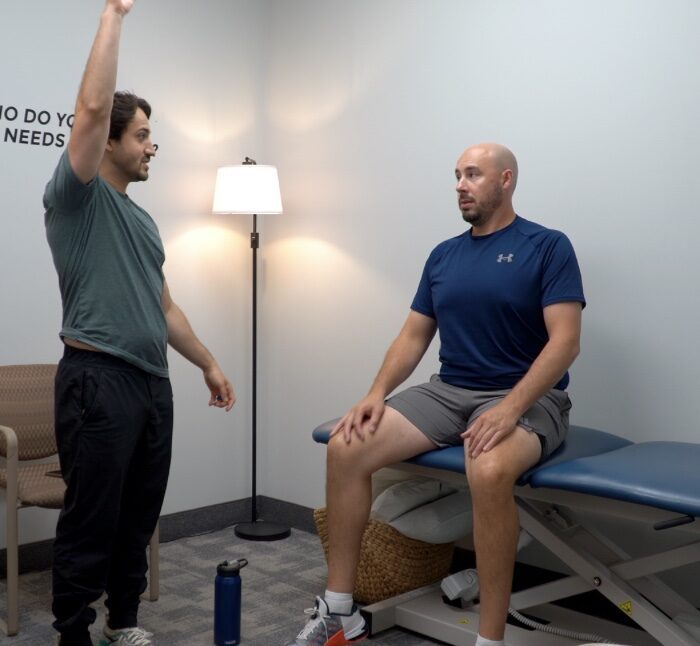
Physical therapy for a bulging disc doesn't just mask your pain—it addresses the root cause. When you first come to our Victor, Brighton, Greece, or Cortland clinics, your physical therapist will conduct a thorough evaluation to understand exactly where the bulge is located, which nerves are affected, and how the problem impacts your daily life.
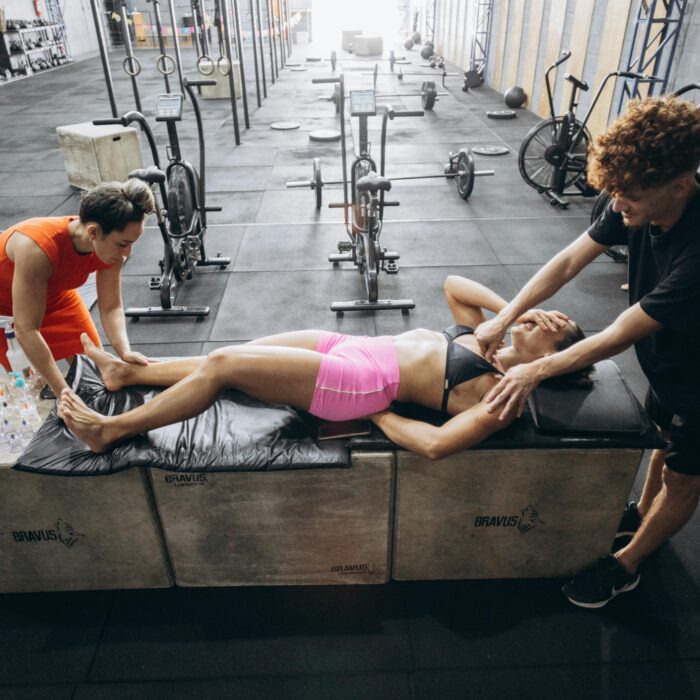
Treatment typically moves through two phases. The first phase focuses on reducing pain and inflammation through what we call passive therapies. These include manual therapy techniques where your PT uses their hands to mobilize your spine and release muscle tension. Heat therapy increases blood flow to the area, bringing oxygen and nutrients that promote healing. Some patients benefit from electrical stimulation, which triggers your body's natural painkillers (endorphins) and reduces muscle spasms.
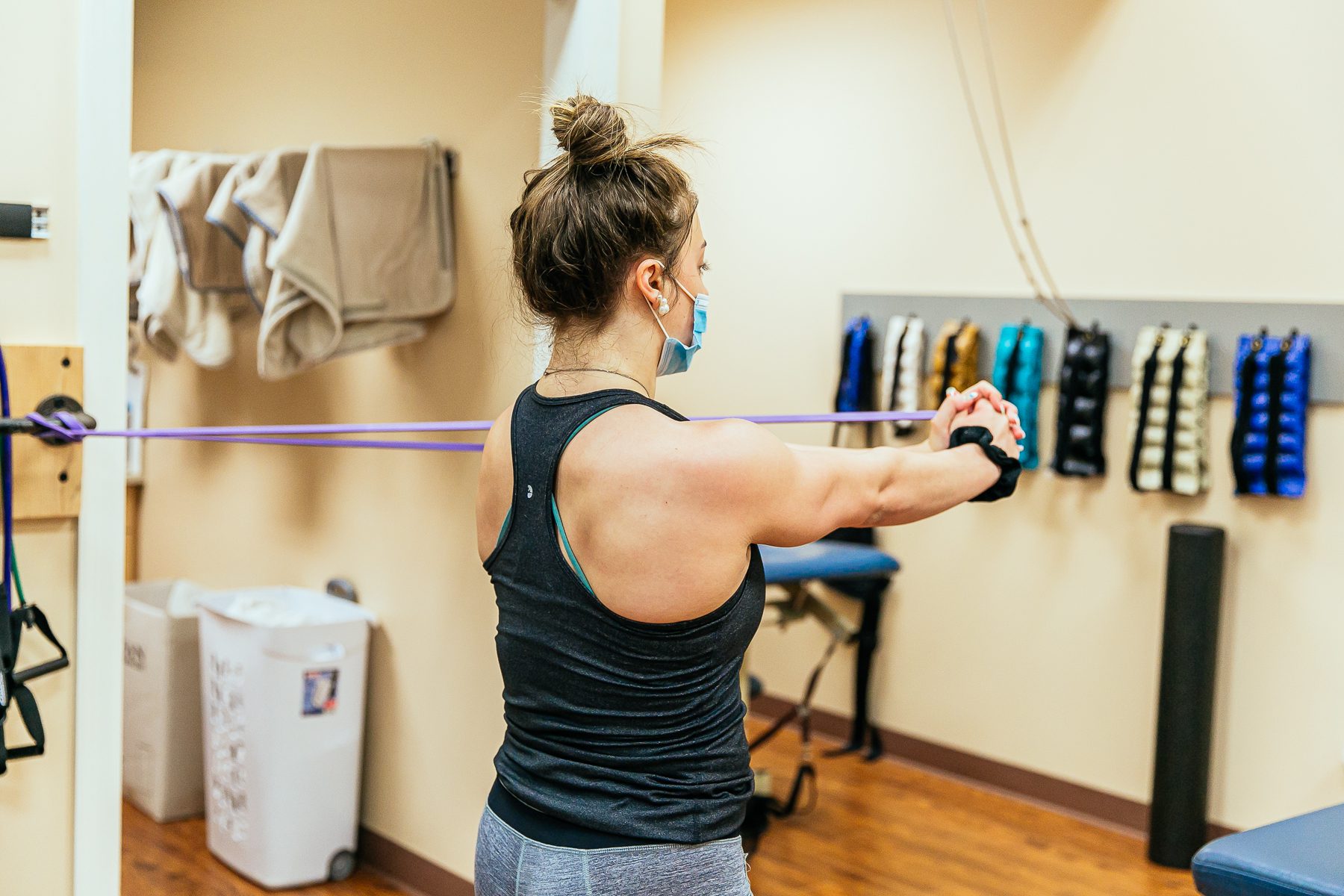
The second phase is where the real transformation happens. Active therapies strengthen the muscles that support your spine, improve flexibility, and teach you movement patterns that take pressure off the damaged disc. Your physical therapist creates a customized program based on your specific condition, your goals, and your lifestyle.
What does a typical session look like?
You'll start with a warm-up to increase circulation and prepare your muscles. Then you'll work through a series of exercises targeting core stability, spinal mobility, and the muscles surrounding your affected disc. Your PT will guide you through each movement, correcting your form and adjusting the intensity as you progress. Most sessions end with stretching and education about how to protect your spine between appointments.
The American Physical Therapy Association recommends physical therapy as the first-line treatment for disc problems, reserving surgery only for cases with severe neurological symptoms or when conservative care fails after several months.
Physical Therapy vs Surgery: What the Research Actually Says
Most people assume surgery is the more effective option. It's faster, more dramatic, and feels like a definitive solution. But the research tells a different story.
A landmark study comparing physical therapy to surgery for lumbar disc herniation found that both approaches produced similar outcomes at the one-year and two-year marks. Patients who chose physical therapy avoided the risks of surgery—infection, blood clots, anesthesia complications, failed back surgery syndrome—and still achieved the same level of pain relief and function.
| Factor | Physical Therapy | Surgery |
| Success Rate | 70-90% symptom improvement | 80-90% symptom improvement |
| Recovery Time | 6-12 weeks for most patients | 4-6 weeks initial, 3-6 months full |
| Risk of Complications | Minimal | Infection, nerve damage, blood clots |
| Cost | Lower out-of-pocket | Higher, even with insurance |
| Long-term Outcomes (2 years) | Similar to surgery | Similar to PT |
| Addresses Root Cause | Yes, through strengthening | Removes disc material only |
Here's something else the research shows: patients who undergo surgery often need physical therapy afterward anyway. The procedure removes the bulging disc material, but it doesn't strengthen the muscles that protect your spine or correct the movement patterns that caused the problem in the first place.
Dr. Edward Wei, an interventional physiatrist at Mass General Brigham, puts it this way: physical therapy helps your spine heal and keeps your back strong over the long term. Surgery addresses the immediate problem but doesn't prevent future issues.
That said, surgery is absolutely the right choice for some patients. If you're experiencing loss of bladder or bowel control, progressive muscle weakness, or pain that hasn't responded to conservative treatment after three to six months, surgical intervention may be necessary to prevent permanent nerve damage.
The Exercises That Help (And the Ones That Make It Worse)
Not all exercises are created equal when you're dealing with a bulging disc. Some movements reduce pressure on the disc and promote healing. Others compress the spine and make your symptoms worse.
Exercises That Help:
The McKenzie Extension, sometimes called the cobra press-up, is one of the most effective exercises for lumbar bulging discs. You lie face down and slowly press your upper body up while keeping your hips on the ground. This movement shifts disc material away from the nerve roots and reduces irritation. Many patients feel immediate relief after performing this exercise correctly.
The Bird-Dog exercise strengthens your deep core stabilizers without loading your spine. Start on your hands and knees, then extend one arm forward and the opposite leg backward. Hold for a few seconds, return to the starting position, and switch sides. This builds the muscular support your spine needs to heal.
Cat-Cow stretches improve spinal mobility and reduce stiffness. On your hands and knees, alternate between arching your back toward the ceiling (cat) and letting your belly drop toward the floor (cow). Move slowly and breathe deeply.
Pelvic tilts build core engagement and lumbar stability. Lie on your back with your knees bent and feet flat on the floor. Gently flatten your lower back against the ground by tilting your pelvis upward. Hold for a few seconds and release.
Walking is one of the best things you can do for a bulging disc. It increases circulation, promotes healing, and keeps your muscles active without putting excessive load on your spine. Start with short walks and gradually increase your distance as your symptoms improve.
Exercises to Avoid:
Sit-ups and crunches compress your spine and can push disc material further into the nerve space. Avoid these until your physical therapist clears you.
Russian twists and other rotational exercises put shear forces on your discs that can worsen a bulge.
Heavy deadlifts and squats load your spine significantly. While these exercises can be beneficial for a healthy back, they're risky during acute disc problems.
Toe touches and forward bends round your spine and increase pressure on the posterior disc—exactly where most bulges occur.
Running creates repetitive impact that your healing disc doesn't need. Stick to low-impact activities like swimming, cycling, or using an elliptical until you've made significant progress.
What Recovery Looks Like Week by Week
Recovery from a bulging disc isn't linear. You'll have good days and setbacks. Understanding what to expect helps you stay patient and committed to the process.
Weeks 1-2: The initial phase focuses on pain management and gentle movement. You might feel like resting in bed, but research shows that prolonged bed rest actually slows recovery. Gentle activity—short walks, basic stretches, modified daily tasks—keeps blood flowing and prevents muscle weakening. Most patients notice their pain begin to stabilize during this period.
Weeks 3-4: Your physical therapy sessions become more active. You'll start incorporating core strengthening exercises and learning proper body mechanics. Many patients see significant pain reduction during this phase. The exercises might feel challenging, but you'll likely notice improved mobility and less radiating pain.
Weeks 5-8: This is where real progress happens. Your core is stronger, your posture is better, and your body has started to naturally reabsorb the bulging disc material. Physical therapy sessions focus on building strength and endurance. You may begin returning to activities you had to avoid earlier.
Weeks 9-12: Most patients feel substantially better by this point. Some are nearly back to normal. Your PT will introduce more advanced exercises and sport-specific training if that applies to your goals. The focus shifts from recovery to prevention—building habits and strength that protect your spine for life.
Beyond 12 Weeks: Even after formal physical therapy ends, continue the exercises you learned. The patients who maintain their exercise routines have the best long-term outcomes. Those who stop moving tend to experience recurrence.
At Limitless PT, we also offer ongoing support through our Limitless Life App, which provides on-demand patient education, exercise tracking, and wellness resources to help you stay on track after your formal sessions end.
When Surgery Becomes Necessary
Physical therapy works for most bulging disc patients, but not all of them. Knowing when conservative treatment isn't enough can prevent permanent nerve damage and unnecessary suffering.
Red flags that require immediate medical attention:
Cauda equina syndrome is a rare but serious condition where the disc compresses the bundle of nerves at the base of your spine. Symptoms include sudden bowel or bladder dysfunction, severe numbness in your groin area, and progressive weakness in both legs. This is a medical emergency requiring immediate surgery.
Progressive neurological deficits—weakness that gets worse over days or weeks despite treatment—may indicate nerve damage that surgery could prevent from becoming permanent.
Foot drop, where you can't lift the front part of your foot, suggests significant nerve compression that may not resolve with conservative treatment alone.
When surgery is a reasonable choice (not an emergency):
If you've completed three to six months of consistent physical therapy and your symptoms haven't improved significantly, surgery becomes a reasonable consideration. The key word is "consistent"—sporadic treatment over six months doesn't count.
If your pain is severe enough that it prevents you from working, sleeping, or participating in basic daily activities despite conservative treatment, surgery may offer faster relief.
Some patients simply prefer the surgical route after weighing the risks and benefits with their medical team. That's a valid choice when made with full information.
Questions to ask your surgeon:
What specific procedure are you recommending, and why? What's your success rate with this procedure? What does recovery look like, and will I need physical therapy afterward? What happens if the surgery doesn't work? Are there less invasive options we haven't tried?
The best surgeons will support your decision to try physical therapy first. If a surgeon pushes immediate surgery without recommending conservative treatment, consider getting a second opinion.
Ready to Take Control of Your Recovery?
Physical therapy for bulging disc problems works because it does more than treat symptoms—it rebuilds the foundation that keeps your spine healthy for life. Your body has the ability to heal, and with the right guidance, you can get back to the activities and people you love.
At Limitless Physical Therapy Specialists, our team has helped over 5,000 patients recover from disc injuries using evidence-based treatment plans tailored to each person's needs. Whether you're in Victor, Brighton, Greece, or Cortland, NY, we're here to guide you through recovery with personalized care and ongoing support.
What does treatment look like?
Your first appointment includes a comprehensive evaluation where we assess your pain, mobility, and functional limitations. We'll explain exactly what's happening in your spine and outline a treatment plan designed around your goals. No cookie-cutter programs. No rushed sessions. Just focused, one-on-one care that gets results.
Ready to live a life without limits? Contact us today to schedule your evaluation. Call (585) 869-5140 for our Victor location, (585) 473-1290 for Brighton, (585) 910-2242 for Greece, or (607) 408-5200 for Cortland. You can also visit limitlesspts.com to learn more about our services and book online.
You don't have to accept pain as your new normal. Together, we'll create a plan that empowers you to thrive.
Sources:
- American Physical Therapy Association - choosept.com
- Mass General Brigham - Physical Therapy for Herniated Disc Pain
- Physiopedia - Disc Herniation Research and Treatment Guidelines
- Mayo Clinic - Bulging Disc vs Herniated Disc
- Journal of Orthopaedic Science - Herniated Disc Epidemiology
![Arm Pain From Sleeping on Side: Causes and Fixes [PT Guide]](https://limitlesspts.com/wp-content/plugins/theplus_elementor_addon/assets/images/placeholder-grid.jpg)