Last updated: May 2026
Cervical Radiculopathy Physical Therapy: The Multimodal Framework That Works
Cervical radiculopathy responds well to physical therapy. The data is clear on this: about 90% of patients recover or substantially improve with conservative care, most within 4 to 8 weeks. What is less clear in most patient-facing content is what conservative care actually consists of and why some PT programs work much better than others. The short answer is that good treatment is multimodal, combining four specific components, and single-modality PT (just exercises, just traction, just manual therapy) underperforms.
This article walks through the four-pillar multimodal framework supported by the American Physical Therapy Association's Neck Pain Clinical Practice Guidelines and recent systematic reviews, what each pillar actually involves, what an episode of care looks like, and when PT isn't enough.
What Cervical Radiculopathy Is and Isn't
Cervical radiculopathy describes pain, numbness, tingling, or weakness traveling from the neck into the shoulder, arm, or hand because a nerve root in the cervical spine is irritated or compressed. Most patients describe the arm pain as sharp, burning, or shooting. Many notice the symptoms are worse when they hold certain positions (looking up, lying down, sitting at a computer for long stretches) and better with others (raising the arm overhead, certain head positions).
The condition is most common in adults 40 to 60. The peak incidence is age 50 to 54, with an average annual incidence of about 83 cases per 100,000 in the most-cited population study from Mayo Rochester. About 22% of cases are caused by a confirmed disc protrusion. The remaining roughly 70% involve some combination of cervical spondylosis (arthritic degenerative changes), disc, or both. Most cases involve a single nerve root, with C7 most common (about 60%), followed by C6 (about 25%).
What cervical radiculopathy isn't: the same as cervical myelopathy. Myelopathy involves compression of the spinal cord itself, not just a nerve root, and presents differently (balance problems, hand clumsiness, both arms or legs affected, sometimes bowel/bladder changes). Myelopathy is usually a surgical referral. If you have arm symptoms only, you're almost certainly dealing with radiculopathy, which physical therapy is well-suited to treat.
What the Evidence Says About PT for Cervical Radiculopathy
The natural history of cervical radiculopathy is favorable. The same Mayo Rochester study found that at long-term follow-up, 90% of patients were asymptomatic or only mildly affected. About 26% underwent surgery during the follow-up period. The remaining 74% recovered without surgery, most with conservative care including physical therapy.
The evidence base for specific PT interventions has grown significantly. The 2017 APTA Neck Pain Clinical Practice Guideline endorses a multimodal approach for cervical radiculopathy. A 2021 systematic review on manual therapy found that manual therapy combined with exercise produces meaningful pain and function improvements. A 2024 review on neural mobilization supports its addition to routine PT for nerve-related neck and arm pain.
The takeaway: PT works for cervical radiculopathy, and combination treatment outperforms any single component. This is the central reason patients sent for "just exercises" sometimes plateau, while patients getting a full multimodal program tend to progress.
A meaningful share of cervical radiculopathy patients arrive having been through a previous PT episode that consisted primarily of generic neck stretches and isolated strengthening, without manual therapy, traction, or neural mobilization components. The 2021 systematic review on manual therapy for cervical radiculopathy specifically found that multimodal programs outperform single-component approaches. In practice, patients who plateau in single-modality PT often progress quickly when manual therapy and neural gliding are added; the components addressed different parts of the same problem, and addressing only one usually leaves the others driving residual symptoms.
The Four-Pillar Multimodal Framework
A high-quality PT program for cervical radiculopathy has four components. Most patients need all four, with the proportions varying based on severity, irritability, and which root is affected.
Pillar 1: Manual Therapy
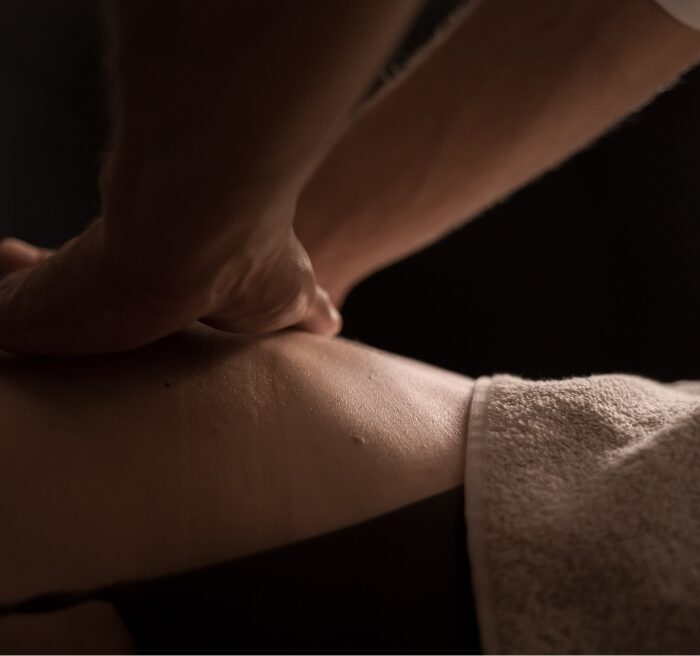
What it is: hands-on techniques performed by the therapist. Includes cervical and thoracic joint mobilizations, soft tissue work, and manual cervical traction. The 2021 systematic review cited above found manual therapy combined with exercise produces meaningful improvement; manual therapy alone produces less.
Why it matters: thoracic mobility (the upper back) is often a hidden contributor to cervical loading. Restoring thoracic extension and rotation reduces the work the cervical spine has to do. Cervical mobilization can reduce pain enough to allow active exercise to progress.
Pillar 2: Exercise
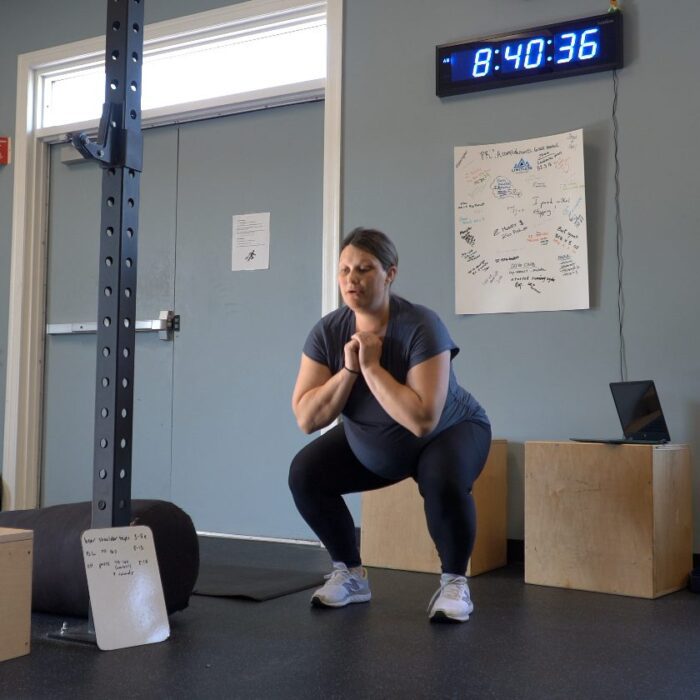
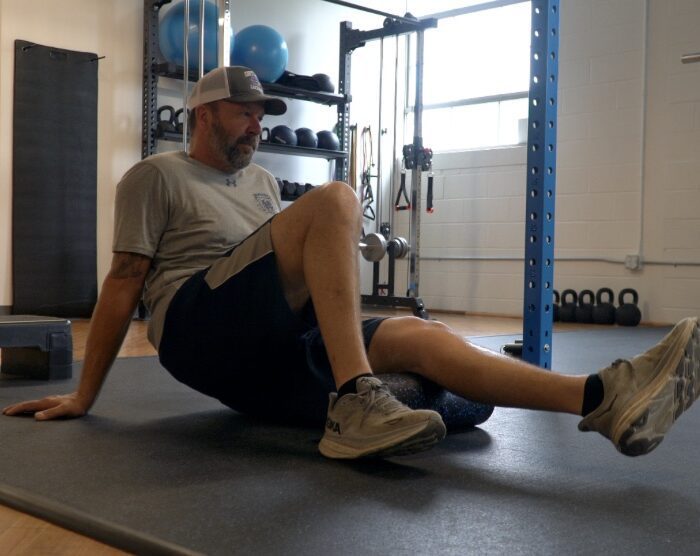
What it is: deep cervical flexor strengthening (the small muscles that control head position), scapular stabilizer strengthening (lower trap, serratus anterior, middle trap), thoracic mobility work, and graded directional preference exercises (often retraction-based or extension-based, depending on which direction relieves symptoms).
Why it matters: weakness in the deep cervical flexors and scapular stabilizers is nearly universal in cervical radiculopathy patients. The deep flexors stabilize the cervical spine in a position that minimizes nerve root pressure; the scapular muscles control the platform the cervical spine sits on. Both need rebuilding.
Pillar 3: Traction
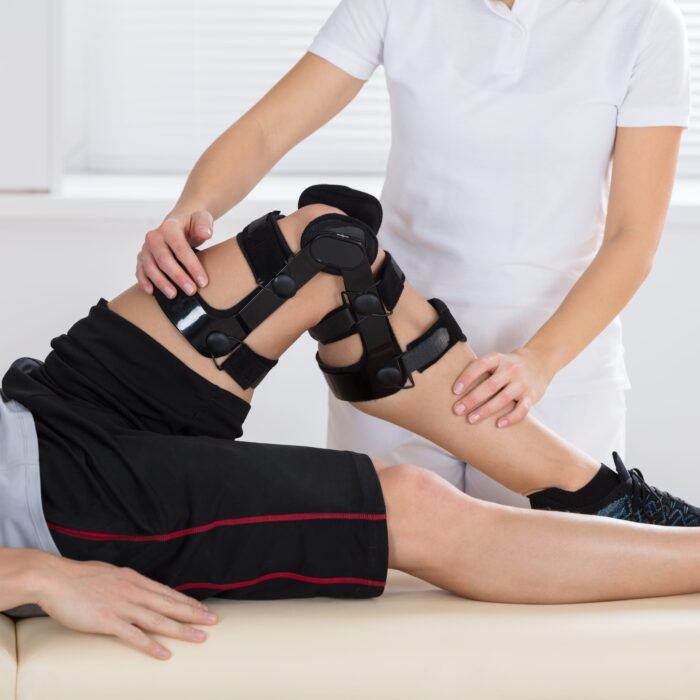
What it is: a sustained pull on the cervical spine, either applied by the therapist (manual traction), via a mechanical device, or with an over-the-door home unit. The goal is temporary widening of the foramen (the bony opening the nerve passes through) to reduce nerve root pressure.
Why it matters: traction has a distinct evidence base for the subset of cervical radiculopathy patients who respond to it. The Cochrane and APTA evidence is mixed across all comers, but cervical radiculopathy with peripheralizing symptoms (pain that goes farther down the arm with certain positions) often responds well. PT can identify the responder subset on visit one with a brief traction trial.
Pillar 4: Neural Mobilization
What it is: specific exercises that gently glide the affected nerve through its anatomical pathway. Often called "nerve flossing" or "nerve gliding." The technique alternates two ends of the nerve (e.g., bending the neck while extending the elbow, then reversing) so the nerve moves without sustained stretch.
Why it matters: an irritated nerve becomes adherent to surrounding tissue. Without movement, it stays adherent, and even after the original cause resolves, residual pain and tingling can persist. Neural mobilization, performed correctly, addresses the nerve's mechanical mobility itself.
The exercise progression with the strongest combined evidence base starts with isolated deep cervical flexor activation. The supine chin tuck with light pressure feedback (a folded towel under the head, with the patient pressing the back of the head gently into the towel without lifting the head) trains the longus colli and longus capitis muscles that stabilize the lower cervical spine. Once activation is reliable, progressions include head-lift holds and craniocervical flexion endurance work. The neural mobilization technique with the most consistent literature support is the median nerve glide (also called median nerve flossing), introduced once acute irritability has reduced. Combined, these two exercises address the two patterns most commonly under-treated in this population.
What a Typical Episode of Care Looks Like
Most cervical radiculopathy patients are seen for 8 to 14 visits over 6 to 10 weeks. The episode shape:
Visits 1 to 2 (evaluation and acute pain reduction): Full neurological screen (sensation, reflexes, strength by myotome), Spurling's test, distraction test, upper limb tension test, shoulder abduction test. Identify the affected root. Begin gentle manual therapy and pain-reducing positions. Home program: positioning, gentle isometric deep flexor activation, walking.
Visits 3 to 6 (early progression): Add directional preference exercises (often retraction or extension if symptoms centralize toward the neck). Begin scapular stabilizer work at low load. Manual traction trial; if responder, may add mechanical or home traction. Begin gentle neural mobilization once acute pain has reduced.
Visits 7 to 10 (loading phase): Progressive resistance for deep cervical flexors and scapular stabilizers. Thoracic mobility work intensified. Neural mobilization progressed. Sport- or work-specific positional tolerance work introduced. Home program updated.
Visits 11 to 14 (return-to-activity phase): Higher-load strength work, postural endurance, return to specific aggravating activities under controlled progression.
The home program is consistently 10 to 20 minutes per day, every day. Patients who follow the home program progress meaningfully faster than those who only do clinic-day work. This is one of the strongest patterns we see clinically.
When PT Isn't Enough
Most cervical radiculopathy responds well to PT. About 10% don't, and a smaller subset are best served by going to surgery or injection sooner rather than later. Signals that conservative care alone is unlikely to be enough:
- Progressive motor weakness (not just pain or numbness, but objective strength loss that's getting worse)
- Severe, unrelenting pain unresponsive to 4 to 6 weeks of competent PT plus appropriate medications
- Symptoms suggestive of myelopathy (balance issues, hand clumsiness, lower extremity involvement). This is a different condition and usually a surgical referral
- Large disc herniation with severe stenosis confirmed on imaging, particularly with motor deficits
- Failure to progress after 6 to 8 weeks of high-quality multimodal PT
The most common middle-ground intervention is a cervical epidural or selective nerve root corticosteroid injection. This isn't a cure; it's an inflammation reducer that can lower irritability enough for PT to progress. Many patients who plateau in PT respond well to a single injection followed by continued PT.
Reasonable referral triggers based on the published guidelines: progressive motor weakness (objective strength loss that's getting worse week over week), severe pain unresponsive to 4 to 6 weeks of high-quality multimodal PT plus appropriate medications, signs suggestive of myelopathy, or pain severe enough that it prevents participation in PT. Cervical epidural or selective nerve root injection is often the right next step for the first three; surgical consultation is reserved for the smaller subset with confirmed structural compression and persistent neurological deficits.
Recovery Expectations
Most patients see meaningful pain reduction within 2 to 3 weeks of starting consistent multimodal PT. Functional improvement (returning to work tasks, sleeping through the night, exercising again) typically follows within 6 to 10 weeks. Full recovery often runs 3 to 6 months for moderate cases.
About a third of patients have a recurrence within 5 years. Recurrence is significantly less common in patients who continue maintenance exercises after formal PT ends, typically 10 minutes of deep flexor and scapular work, 3 times per week, indefinitely.
Frequently Asked Questions
How long does physical therapy take for cervical radiculopathy?
Most patients are seen for 8 to 14 visits over 6 to 10 weeks. Meaningful pain reduction usually happens within 2 to 3 weeks, with functional improvement following over 6 to 10 weeks. Full recovery often takes 3 to 6 months.
Is physical therapy or surgery better for cervical radiculopathy?
For most patients, PT first. Long-term outcome studies find that surgical and conservative approaches produce similar 2-year outcomes for many patients, while PT carries lower risk and cost. Surgery becomes the better option for patients with progressive motor weakness, large disc herniations with significant stenosis, myelopathy, or failure to progress with high-quality PT.
Can cervical radiculopathy heal without treatment?
Yes for many patients, but slowly. The natural history is favorable: about 90% of patients are asymptomatic or only mildly affected at long-term follow-up regardless of treatment type. PT generally accelerates the timeline, reduces residual symptoms, and lowers recurrence risk.
What exercises should I avoid with cervical radiculopathy?
Anything that reproduces or worsens your arm symptoms, especially during the acute phase. Common aggravators: heavy overhead pressing, deadlifts with poor form, prolonged neck extension (looking up at a phone, certain swimming strokes), and any movement that causes immediate peripheralizing symptoms (pain traveling farther down the arm). Modify or pause aggravating activities until your therapist clears progression.
Will I need an MRI before starting PT?
Usually not. Most physical therapists can identify the affected nerve root and rule out red flags through clinical examination alone. Imaging is reserved for patients with progressive neurological deficits, suspected myelopathy, severe symptoms not responding to 4 to 6 weeks of PT, or those being evaluated for surgery or injection. Starting PT without imaging is the norm and is supported by guidelines.
Can I work out while doing PT for a pinched nerve in my neck?
Lower body and core work, generally yes. Cardiovascular work like walking, cycling (with proper bike fit), and swimming (avoiding aggressive head-turning strokes) is usually fine. Heavy upper body lifting and overhead work is typically modified or paused during the acute phase. Most patients can maintain or improve overall fitness during PT with modifications.
Recovery Is the Norm, Not the Exception
Cervical radiculopathy responds to physical therapy because the underlying problem (nerve root irritation from disc, spondylosis, or both) is something the right combination of mobility work, strengthening, traction when indicated, and neural gliding can directly address. About 90% of patients recover with conservative care. The reason some don't usually comes down to two things: severity of structural compression that exceeds what conservative care can handle, or treatment that wasn't multimodal enough to do the full job.
If you've been diagnosed with cervical radiculopathy and you're weighing PT against waiting it out, against injection, or against surgery, PT is almost always the right first move. Schedule an evaluation at our Victor, Brighton, Greece, or Cortland clinic. We'll identify your nerve root, build the four-pillar program, and get you back to work and life without arm pain.
About the Author Dr. Dan Bajus, PT, DPT. Founder, Limitless Physical Therapy Specialists. 15+ years of clinical experience. Over 5,000 patients treated, with extensive work in spine and nerve-related conditions across orthopedic and athletic populations.