You’ve been doing rotator cuff exercises for weeks. Maybe months. External rotations with a resistance band. Stretches you found on YouTube. Wall slides someone at the gym showed you. Yet your shoulder still aches when you reach overhead, still wakes you up at night, still stops you from doing the things you used to do without thinking.
The problem usually isn’t the exercises themselves. It’s the timing. Rotator cuff rehabilitation follows a specific sequence, and jumping ahead, even with the right exercises, often means you’re strengthening tissues that aren’t ready to be loaded. The result is frustration, setbacks, and sometimes pain that actually gets worse with exercise.
Research from the MOON Shoulder Group found that physical therapy is effective in approximately 75% of patients with atraumatic full thickness rotator cuff tears when exercises are progressed appropriately. That’s a remarkable number, especially considering these are complete tears that many people assume require surgery. The key word is “appropriately.” Understanding which rotator cuff exercises to do, and when to do them, makes all the difference.
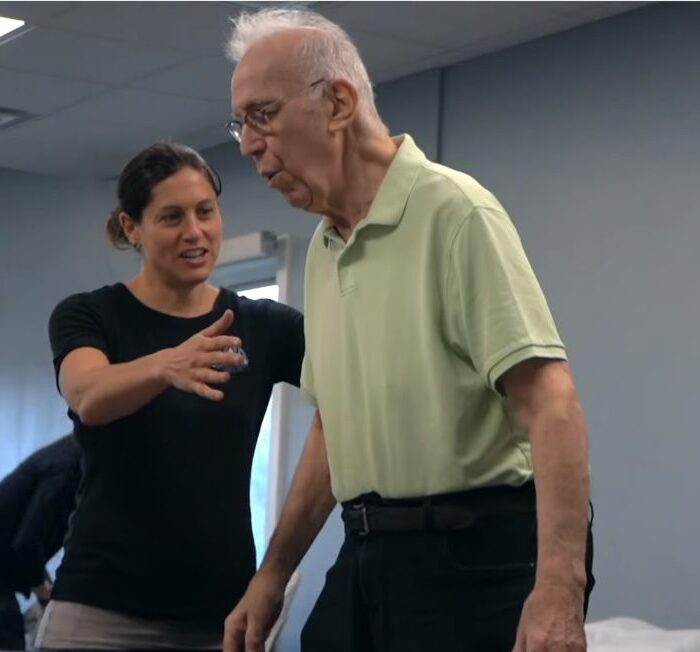
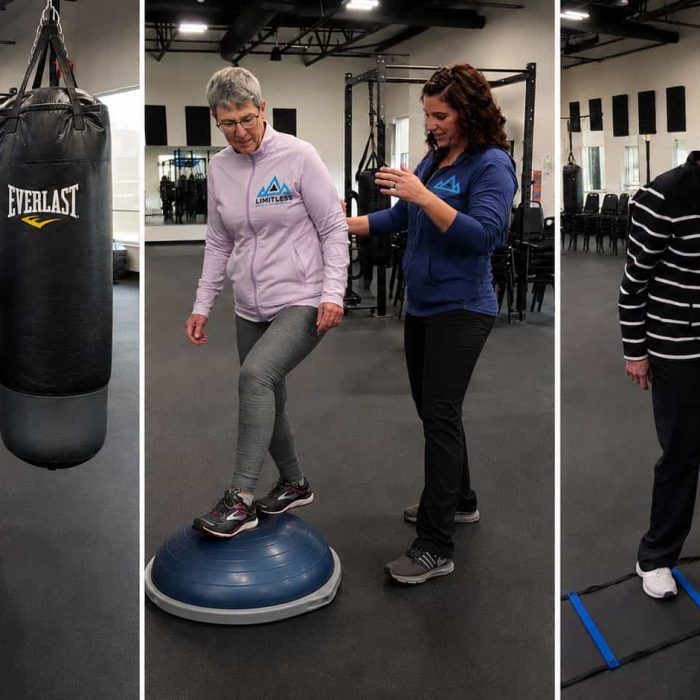
At Limitless Physical Therapy, we’ve helped thousands of patients across Victor, Brighton, Greece, and Cortland recover from rotator cuff injuries. This guide breaks down the phased approach we use in the clinic, so you can understand why progression matters and what exercises belong at each stage.
Why Your Rotator Cuff Exercises Might Not Be Working
The rotator cuff is a group of four muscles: the supraspinatus, infraspinatus, teres minor, and subscapularis. They originate on your shoulder blade and attach to your upper arm bone, forming a “cuff” that stabilizes the ball of your humerus in the shallow socket of your scapula. When any of these muscles or their tendons become inflamed, frayed, partially torn, or completely torn, you get the pain and weakness that characterizes rotator cuff problems.
But here’s what most people don’t realize: rotator cuff injuries exist on a spectrum. Tendinitis, where the tendon is inflamed but intact, requires different management than a partial tear. A partial tear behaves differently than a full thickness tear. And a recent injury needs different treatment than a chronic condition you’ve been dealing with for years.
When you search for rotator cuff exercises online, you typically find a list of movements with no context about which stage of healing they’re appropriate for. Someone with acute tendinitis doing the same aggressive strengthening exercises as someone six months post surgery is almost guaranteed to make their condition worse.
The most common mistake we see is starting strengthening exercises too early. The MOON Shoulder Group protocol, one of the most well researched rehabilitation approaches for rotator cuff injuries, states explicitly that rotator cuff strengthening should be delayed until active range of motion is nearly pain free and mobility is nearly normal. The specific milestone they use is active elevation above 120 degrees and passive internal rotation approaching 50% of the opposite side.
If you’re doing external rotation exercises with a band while you still can’t lift your arm overhead without pain, you’re strengthening a shoulder that hasn’t been properly prepared. The exercises might feel productive, but they’re loading tissues that are still inflamed, potentially prolonging your recovery instead of accelerating it.
The second common mistake is neglecting the scapular muscles. Your rotator cuff doesn’t work in isolation. It functions as part of a system that includes your shoulder blade and the muscles that control its position. When your scapula doesn’t move properly, your rotator cuff has to work harder to stabilize the shoulder, which can perpetuate pain and increase injury risk. Effective rotator cuff rehabilitation always includes scapular strengthening, not just rotator cuff isolation exercises.
Rotator Cuff Exercises for Pain Relief (Phase 1)
If you are here because of a rotator cuff injury rather than general shoulder soreness, this is still where physical therapy for a rotator cuff injury starts: calming the irritated tendon down before anything is loaded.
The first phase of rotator cuff rehabilitation focuses on reducing pain and inflammation while gently maintaining range of motion. This isn’t the time for strengthening. It’s the time for creating an environment where healing can occur.
Pendulum Exercise
The pendulum is one of the oldest and most effective exercises for early rotator cuff rehabilitation. It uses gravity and momentum to move your shoulder without requiring your rotator cuff muscles to contract.
Stand next to a table or counter and bend forward at the waist, supporting yourself with your unaffected arm. Let your affected arm hang straight down, relaxed. Gently shift your body weight in small circles, allowing your arm to swing passively. The movement comes from your body, not from your shoulder muscles. Make circles about the size of a dinner plate, gradually increasing the diameter as tolerated. Perform this for one to two minutes, several times per day.
The pendulum provides gentle traction to the shoulder joint and encourages synovial fluid circulation without loading the damaged tissues. If you’re in significant pain, this may be the only exercise you do for the first few days or weeks.
Passive Range of Motion with a Cane or Towel
These exercises use your unaffected arm to move your affected arm through its range of motion. The rotator cuff muscles stay relaxed while motion is restored.
For forward elevation, lie on your back holding a cane or broomstick with both hands, arms straight. Use your good arm to lift both arms up toward the ceiling and then overhead, going only as far as is comfortable. Slowly lower and repeat for 10 to 15 repetitions.
For external rotation, lie on your back with your affected elbow bent to 90 degrees and tucked against your side. Hold the cane with both hands. Use your good arm to push the affected arm outward, rotating at the shoulder. Move slowly and stop before pain increases. Repeat 10 to 15 times.
Table Slides
Stand facing a table with your affected hand resting on a towel or cloth. Keeping your arm straight, slide the towel forward on the table as you lean your body forward, allowing your arm to rise in front of you. Slide back to the starting position and repeat. This exercise provides gentle forward flexion with the support of the table reducing the load on your shoulder.
Mobility and Stretching Exercises for the Rotator Cuff (Phase 2)
Once your acute pain has settled and you can move your arm more freely, the focus shifts to restoring full range of motion through stretching. These exercises prepare your shoulder for the strengthening work that comes next.
Cross Body Stretch (Posterior Capsule Stretch)
This stretch targets the posterior shoulder capsule and the muscles at the back of your shoulder, which often become tight with rotator cuff problems.
Stand or sit upright. Use your unaffected hand to pull your affected arm across your body at chest height. Keep your affected arm relaxed and let your other arm do the work. You should feel a stretch in the back of your shoulder. Hold for 30 seconds and repeat 3 to 4 times. Perform this stretch multiple times throughout the day.
Sleeper Stretch
The sleeper stretch specifically targets posterior shoulder tightness, which is common in people with rotator cuff issues and can contribute to impingement.
Lie on your affected side with your affected arm in front of you, elbow bent to 90 degrees. Use your other hand to gently push your forearm toward the floor, rotating your shoulder internally. You should feel a stretch in the back of your shoulder. Hold for 30 seconds and repeat 3 times. Be gentle with this stretch. Pushing too hard can irritate an already sensitive shoulder.
Doorway Stretch (Anterior Shoulder Stretch)
Stand in a doorway with your affected arm raised to 90 degrees, elbow bent, and your forearm resting against the door frame. Step forward with the foot on the same side, allowing your chest to move forward through the doorway. You should feel a stretch in the front of your shoulder and across your chest. Hold for 30 seconds and repeat 3 times.
Towel Internal Rotation Stretch
Hold a towel behind your back with your good hand over your shoulder and your affected hand behind your lower back, gripping the other end of the towel. Gently pull upward with your top hand, which will pull your affected arm up your back. This stretches the front of the shoulder and improves internal rotation range of motion. Hold for 30 seconds and repeat 3 times.
| Phase | Goal | Exercise Examples | Frequency | Duration |
| Phase 1 (Pain Relief) | Reduce inflammation, maintain ROM | Pendulum, passive ROM with cane, table slides | 2-3x daily | 1-3 weeks |
| Phase 2 (Mobility) | Restore full ROM | Cross-body stretch, sleeper stretch, doorway stretch | Daily | 2-4 weeks |
| Phase 3 (Strengthening) | Build strength, stability | External rotation, internal rotation, scaption, rows | 3x weekly | 4-8+ weeks |
Rotator Cuff Tendinitis Exercises: What Changes
With tendinitis the tendon is irritated, not torn, so the mobility work below can start sooner and the goal is to keep the shoulder moving through a pain-free range every day. Rotator cuff tendinitis exercises progress faster than tear rehab; the limit is symptoms the next morning, not a fixed number of weeks.
Rotator Cuff Strengthening Exercises (Phase 3)
You’re ready to begin strengthening when you can lift your arm overhead with minimal pain and your passive range of motion approaches normal. Don’t rush to this phase. The exercises here load your rotator cuff directly, and starting before your shoulder is ready will set you back.
Side Lying External Rotation
Lie on your unaffected side with your affected arm on top, elbow bent to 90 degrees and resting against your side. Hold a light weight (1 to 3 pounds to start) in your hand with your forearm across your stomach. Slowly rotate your forearm upward toward the ceiling, keeping your elbow pinned to your side. Lower slowly and repeat. Perform 3 sets of 10 to 15 repetitions.
Research shows that side lying external rotation is one of the most effective exercises for activating the infraspinatus and teres minor while minimizing deltoid contribution. This makes it ideal for targeted rotator cuff strengthening.
Banded External Rotation
Stand with your elbow bent to 90 degrees and tucked against your side. You can place a rolled towel between your elbow and body to help maintain position. Hold a resistance band that’s anchored at elbow height to your side. Rotate your forearm outward against the band’s resistance, then slowly return. Keep your elbow stationary throughout. Perform 3 sets of 10 to 15 repetitions.
Internal Rotation with Band
This exercise targets the subscapularis, the rotator cuff muscle responsible for internal rotation.
Stand with your affected side toward the band anchor. Hold the band with your elbow bent to 90 degrees and your forearm pointing away from your body. Rotate your forearm inward across your stomach against the band’s resistance, then slowly return. Perform 3 sets of 10 to 15 repetitions.
Scaption (Full Can Exercise)
Scaption trains the supraspinatus, the rotator cuff muscle most commonly involved in tears and tendinitis.
Stand holding light dumbbells at your sides with your thumbs pointing forward (this is the “full can” position, as if you were holding full cans of soda). Raise your arms in the plane of your scapula, which is about 30 to 45 degrees forward of directly to your side. Lift to shoulder height or slightly below, then lower slowly. Perform 3 sets of 10 to 15 repetitions.
The American Academy of Orthopaedic Surgeons recommends starting with a weight that allows 3 sets of 8 repetitions and progressing to 3 sets of 12 before increasing weight. Add weight in one pound increments, to a maximum of 5 pounds for most people during rehabilitation.
Prone Row
Lie face down on a bench or bed with your affected arm hanging toward the floor, holding a light weight. Pull your elbow up toward the ceiling, squeezing your shoulder blade toward your spine at the top. Lower slowly and repeat. This exercise strengthens both the rotator cuff and the scapular stabilizers. Perform 3 sets of 10 to 15 repetitions.
Low Trapezius Exercise (Prone Y)
Lie face down with your arms hanging off the edge of a bed or bench. With thumbs pointing up, raise both arms up and out at a 45 degree angle to form a Y shape with your body. Focus on squeezing your shoulder blades down and together. Hold briefly at the top, then lower. Start without weight and progress to light dumbbells as tolerated. Perform 3 sets of 10 to 15 repetitions.
Rotator Cuff Exercises After Surgery
If you have had a repair, your surgeon’s protocol decides when each of these starts: usually passive motion first, then active motion, then resistance somewhere around week 6 to 12. Rotator cuff exercises after surgery follow that timeline, not this page, and your PT will tell you which phase you are in at each visit.
When Rotator Cuff Exercises Are Not Enough
Exercise based rehabilitation works for the majority of rotator cuff problems, but it has its limits. Knowing when to seek additional evaluation can save you months of frustration and prevent a recoverable injury from becoming something more serious.
Seek professional evaluation if your shoulder pain has not improved after 6 to 8 weeks of consistent, appropriate exercise. Other warning signs include significant weakness that prevents you from lifting light objects, pain that wakes you from sleep despite position changes, a feeling of instability or the shoulder “slipping,” or pain that radiates down your arm past your elbow.
Imaging such as MRI or ultrasound can clarify whether you’re dealing with tendinitis, a partial tear, or a full thickness tear. This matters because while exercise can effectively manage many partial and even some full thickness tears, certain tear patterns, particularly large or retracted tears in younger active patients, may benefit from surgical repair.
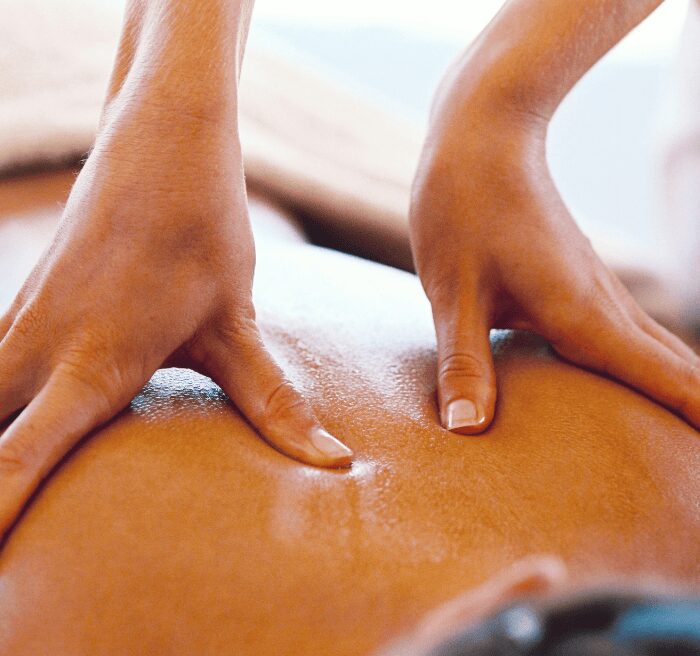
Physical therapy offers advantages beyond what you can do on your own. A physical therapist can assess your specific movement patterns, identify muscle imbalances or scapular dysfunction contributing to your symptoms, and provide manual therapy techniques that complement your exercise program. Research consistently shows that exercise combined with manual therapy produces better outcomes than exercise alone for rotator cuff problems.
At Limitless Physical Therapy, we evaluate each patient’s shoulder individually before prescribing exercises. What works for a 65 year old with a degenerative tear is different from what works for a 35 year old athlete with impingement. Cookie cutter programs produce mediocre results. Personalized rehabilitation produces lasting recovery.
Frequently Asked Questions About Rotator Cuff Exercises
How long does it take to heal a rotator cuff with exercise?
Most people see meaningful improvement within 6 to 12 weeks of consistent, phase appropriate exercise. Tendinitis and impingement often respond within 4 to 6 weeks. Partial tears may take 3 to 6 months to fully rehabilitate. Full thickness tears managed conservatively can take 6 months or longer to reach maximum improvement. The timeline depends on the severity of the injury, how long you’ve had symptoms, and how consistently you follow the rehabilitation program.
Can you heal a torn rotator cuff without surgery?
Yes, many rotator cuff tears heal with physical therapy and exercise. The MOON Shoulder Group study found that approximately 75% of patients with atraumatic full thickness rotator cuff tears were successfully treated without surgery after following a structured physical therapy program for 6 to 12 weeks. Even among patients whose surgical repairs fail, satisfaction and functional outcomes are often comparable to those with intact repairs, suggesting that rehabilitation itself produces much of the benefit regardless of whether the tear is anatomically healed.
What exercises should I avoid with a rotator cuff injury?
Avoid overhead pressing movements like military press and overhead tricep extensions during acute phases. Heavy bench pressing, especially with poor form, places significant stress on the rotator cuff. High impact throwing, exercises involving jerking motions, and aggressive stretching should also be avoided until your shoulder has healed. Any exercise that reproduces sharp pain should be stopped and reconsidered.
How often should I do rotator cuff exercises?
Range of motion and stretching exercises should be performed daily, often multiple times per day during the early phases. Strengthening exercises should be performed 3 times per week with at least one rest day between sessions to allow tissue recovery. Consistency matters more than intensity. Doing your exercises every day produces better results than doing them aggressively three days per week then skipping a week.
Is it OK to exercise with rotator cuff pain?
It depends on the type of exercise and the intensity of pain. Gentle range of motion exercises like pendulums are typically safe even with moderate pain and can actually help reduce symptoms. Strengthening exercises should not cause more than mild discomfort during the movement and should not increase your baseline pain afterward. If an exercise causes sharp pain or leaves your shoulder feeling worse the next day, it’s too aggressive for your current stage of healing.
Rotator cuff exercises can restore function, reduce pain, and help you avoid surgery, but only when they’re matched to your stage of healing. Phase 1 focuses on pain relief and gentle motion. Phase 2 restores flexibility. Phase 3 builds the strength that protects your shoulder long term. Skip ahead, and you risk making a recoverable injury into a chronic problem.
At Limitless Physical Therapy, we’ve guided thousands of patients through this process at our Victor, Brighton, Greece, and Cortland locations. We know that rotator cuff problems can make simple things, reaching for a coffee mug, throwing a ball with your kids, sleeping through the night, feel impossible. We also know that with the right approach, most people can get back to doing exactly those things.
Ready to live a life without limits? Schedule an evaluation and let’s build a plan that gets your shoulder working again.
These exercises rebuild the rotator cuff, and if progress stalls or pain lingers, a hands-on plan helps. Our orthopedic physical therapists in Rochester tailor your recovery to your shoulder and your goals. Book an evaluation today.